

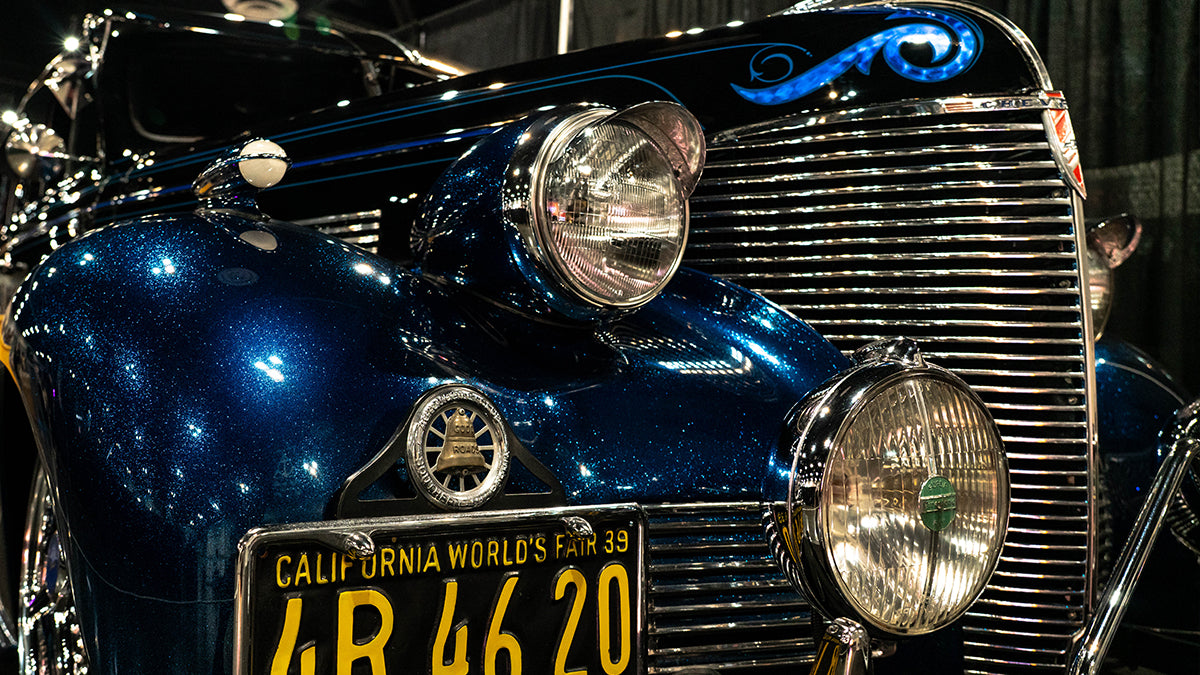
Original chrome on a classic car, especially bumpers, grilles, and window trim from the 1950s and 1960s, is getting harder to find and more expensive to re-plate. A set of original 1957 Chevy bumpers in excellent chrome condition can be worth $2,000–$4,000. Protecting and maintaining that chrome isn't just about show quality, it's about preserving irreplaceable original parts. Here's how to do it right.
Understanding Vintage Chrome
Classic car chrome uses a triple-plate process: copper, then nickel, then chromium, each layer serving a purpose. Copper fills pores and provides adhesion. Nickel provides anti-corrosion protection and shine. Chromium provides hardness and the final reflective surface. On vintage vehicles, the plating layers are often thinner than modern applications and more vulnerable to pitting, flaking, and undercutting rust.
Pot metal (a zinc-aluminum alloy) was commonly used for trim pieces on 1950s–1960s cars. Pot metal is porous, softer than steel, and expands and contracts dramatically with temperature, causing plating to lift and flake over time. These pieces require the gentlest possible products and techniques.
What to Avoid on Classic Chrome
- Acid-based wheel cleaners: will etch chrome plating within minutes
- Steel wool (except 0000-grade): scratches chromium surface
- Heavy cutting compounds: will remove chrome plating
- Alkaline degreasers: react with nickel underplating through pinholes in chrome
- Pressure washing at close range: can lift plating on vintage pieces with pinhole corrosion

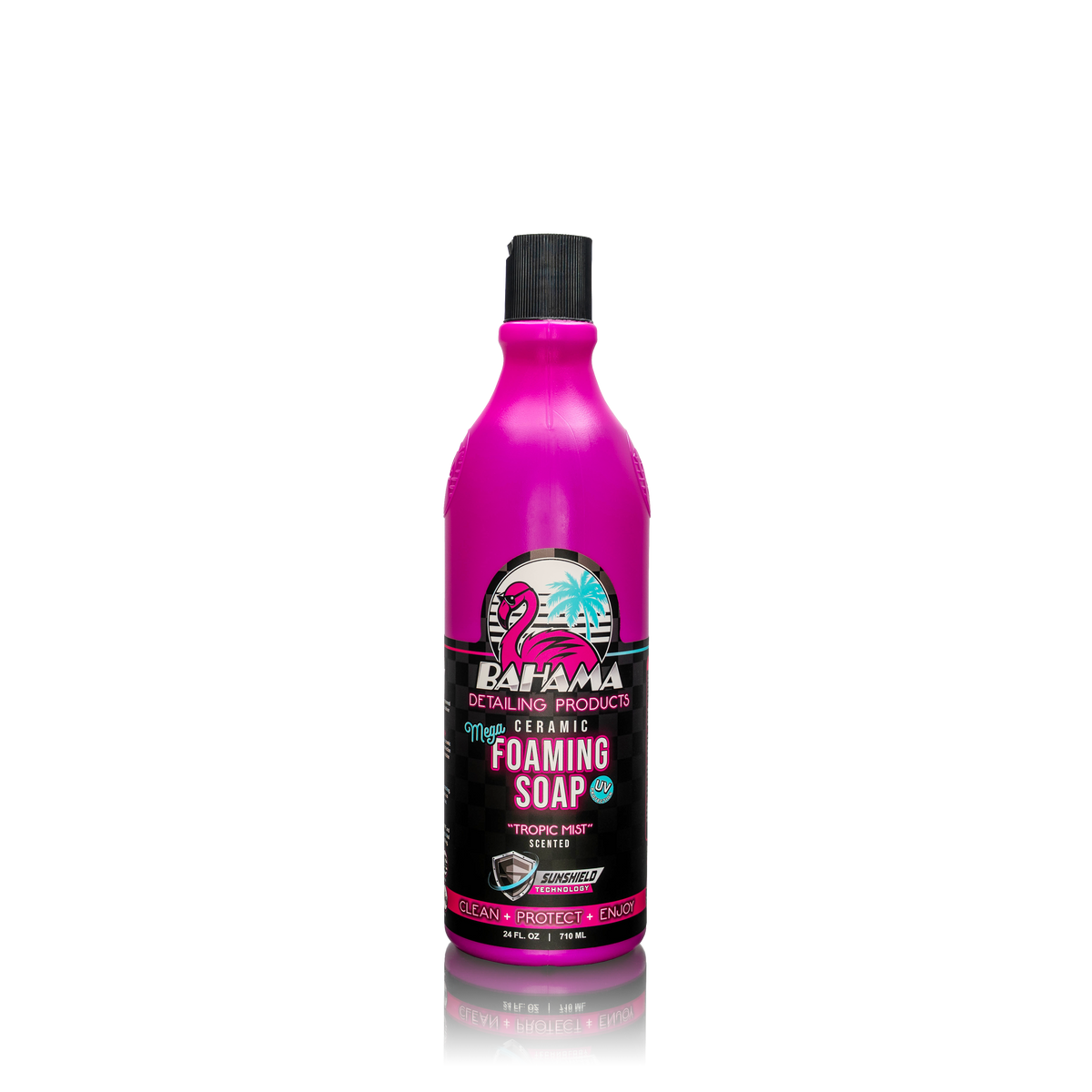
Mega Ceramic Foaming Soap
Safe for chrome and painted trim on classic cars, ceramic foam that polishes chrome while cleaning without scratching delicate plating.
Step 1: Rinse and Soak
Pre-rinse chrome thoroughly to remove loose debris. For bumpers with road grime, let a light mist of pH-neutral cleaner dwell for 2–3 minutes to break down contaminants without scrubbing. Never use a pressure washer closer than 18 inches on vintage chrome.
Step 2: Gentle Cleaning
Use a soft foam sponge or dedicated chrome-safe microfiber. Wipe chrome in straight horizontal strokes, never circular on chrome plating. Circular motions create micro-scratches that scatter light and produce a hazy finish visible in direct sun.
Step 3: Polish with a Fine Chrome Polish
Apply Bahama Chrome & Metal Polish to a foam applicator. Work in 6-inch sections on bumpers, using light, straight strokes. The micro-abrasive formula lifts surface oxidation and water spot etching without endangering the thin chromium surface layer. Remove with a clean microfiber, folded to expose a clean face for each section.
For window trim and narrow moldings, use a cotton swab or folded microfiber strip for precision application. Pot metal pieces: use the lightest pressure possible and don't overwork any section.
Step 4: Seal to Slow Oxidation
After polishing, apply Bahama Detail Spray as a graphene sealant for chrome. Mist lightly onto polished chrome surfaces, spread with a clean microfiber, and buff off. The graphene + SiO2 formula bonds to polished chrome and creates an anti-oxidation barrier that dramatically slows the re-oxidation process.
On sealed chrome, water beads and runs off rather than sitting and causing water spots. Sealed chrome stays brighter 3–4x longer between polishes, meaning less frequent abrasive polishing, which extends the life of the plating.

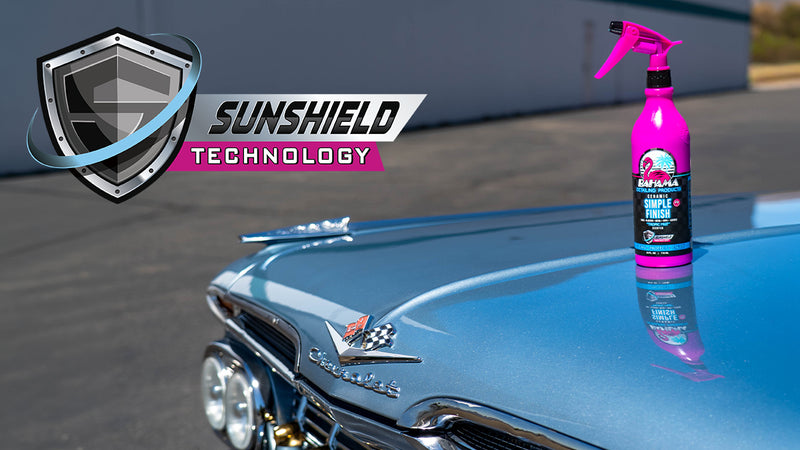
Ceramic Simple Finish
A ceramic sealant that works on chrome, painted surfaces, and rubber trim, keeps every surface on your classic car protected.
Dealing with Pitting and Rust Bubbles
Surface rust bubbles beneath chrome plating are caused by rust undercutting the base metal. Once rust has started lifting plating, the process is difficult to stop without re-plating. For surface pitting, a chrome cleaner can reduce the appearance but cannot rebuild lost metal.
The best approach for pitted chrome: clean, seal with graphene to slow further oxidation, and evaluate whether the piece warrants re-plating. Original chrome that has been well-maintained and sealed rarely develops new pitting, the graphene barrier keeps oxygen and moisture from reaching the base metal through pinholes.
Frequency and Maintenance
- Wipe chrome dry immediately: standing water causes water spots and accelerates oxidation
- Mist with Bahama Detail Spray to maintain seal and remove fingerprints
- Full polish pass before shows or when chrome shows light oxidation
- Full polish and heavy graphene sealant application to protect during storage
Frequently Asked Questions
Can I restore deeply pitted chrome without re-plating?
Mild surface pitting can be improved with chrome polish and sealing. Deep pitting or flaking plating requires professional re-plating for a proper restoration.
Is WD-40 good for chrome protection?
WD-40 provides temporary shine but no lasting protection. It's petroleum-based and collects dust. Use a graphene-based chrome sealant for real protection.
Can I use Bahama Chrome Polish on pot metal?
Yes, Bahama Chrome & Metal Polish is safe for pot metal trim. Use the lightest pressure and don't overwork any section. Follow with graphene sealant to protect the porous surface.
Chrome That Stands the Test of Time
Original classic car chrome is irreplaceable. The right care routine, gentle cleaning, light polishing with Bahama Chrome & Metal Polish, and graphene sealing, keeps it looking factory-bright for decades. Every hour you spend protecting it now is an hour you won't spend sourcing replacements later.
Ready to give your classic car chrome the protection it deserves? Shop the full Bahama lineup, modern chemistry, classic respect.