Most people put off car detailing because it looks complicated: a garage wall of bottles, a dozen towels, a vocabulary nobody explains. So they pay someone else, or they skip it and watch the paint and trim slowly give up.
Here is the short version of this car detailing guide for beginners. You need four bottles, a few purpose-built towels, a bucket, and one order of operations: Wash, Dry, Restore, Protect, Finish. Learn that order once and every detail after it gets faster.
This guide covers what to buy, what each product does, the routine step by step, and the mistakes that cost beginners the most.
What Do You Actually Need to Start Detailing?
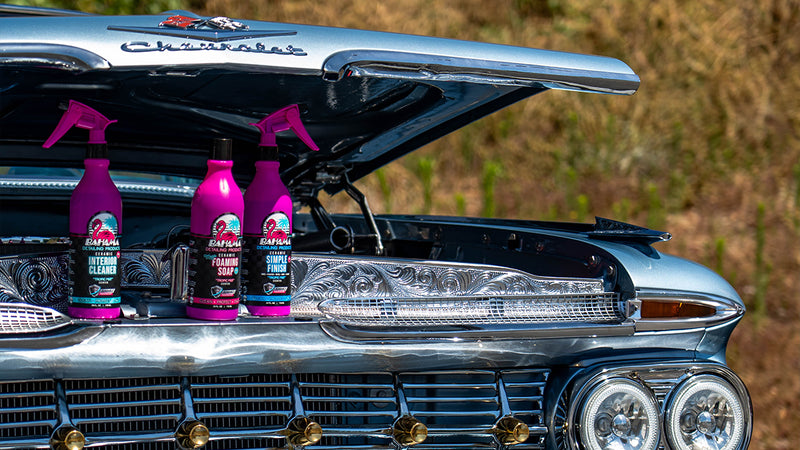
Less than the internet tells you. A complete beginner kit looks like this:
- A pH-neutral wash soap that cleans without stripping protection. Ceramic Mega Foaming Soap lifts road film, mud and bug guts and leaves a beading ceramic layer with SunShield UV behind.
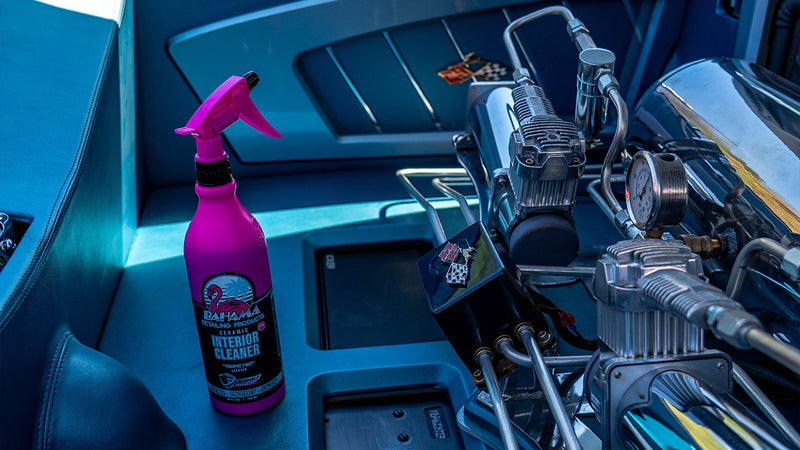
- An interior cleaner for the dash, doors, leather, vinyl and screens. Ceramic Interior Cleaner cleans and lays down UV protection in the same pass, with a streak-free, no-gloss finish.
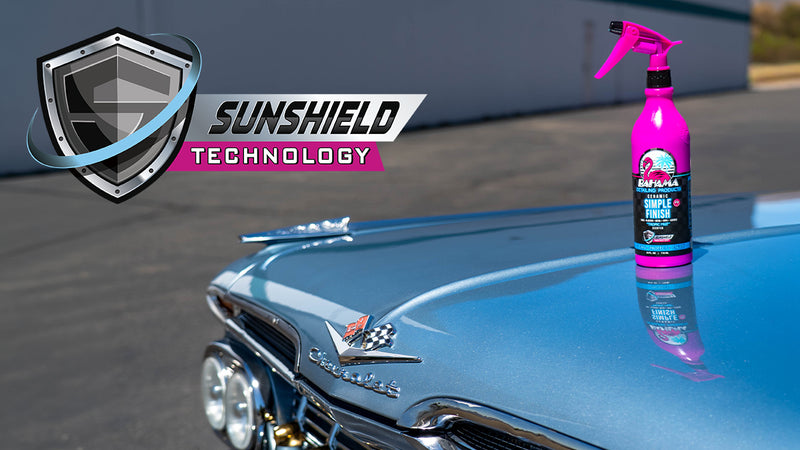
- A restorer for everything that isn't paint or glass: plastic, trim, rubber, tires and wheels. That is Ceramic Simple Finish.
- A protectant for paint, glass and chrome. Ceramic Final Touch Detail Spray is the most ceramic of the four and replaces the wax and the pro coating.
- A wash mitt and a bucket with a grit guard. The Grit Guard Bucket keeps the grit you rinse off the mitt at the bottom of the bucket instead of back on your paint.
- The right towels for each job. A drying towel, an interior towel, a towel for wheels and trim, and a buffing towel. More on why below.
That is the whole foundation. Clay bars, polishers and compounds are optional extras for later, and only if your paint needs them.
Why Does the Towel Matter as Much as the Bottle?
The liquid does half the work. The towel decides whether it comes off streaked or slick.
Most swirl marks are put there by a towel. Use one towel for everything and you drag brake dust from the wheels onto the paint, and tire dressing onto the dash. A towel that has been through brake dust and tire dressing has no business on your dash.
The fix is simple: one towel per job, and every bottle gets a towel built for it.
- Drying: Big Bird (18x37, 1600 GSM) for big panels, and Lil' Bird (18x18, same pile) for glass, mirrors and door jambs.
- Interior: Starting Line, 550 GSM with ButterSoft suede edges, used inside the car only.
- Wheels, tires and trim: Finish Line, 420 GSM and dual-sided. The short nap lifts grime and the plush side wipes clean.
- Buffing paint and glass: Victory Lap, 450 GSM and edgeless, kept dry and used only for the final buff.

Sheets a roof, hood or tailgate dry in one pull. Seamless edge, so nothing hard ever touches the paint.
The Beginner Detailing Routine, Step by Step
Work in this order every time. Top to bottom on the outside, and never let a dirty towel touch a clean surface.
1. Wash
Park in the shade and let the panels cool. Rinse the whole vehicle to knock off loose dirt.
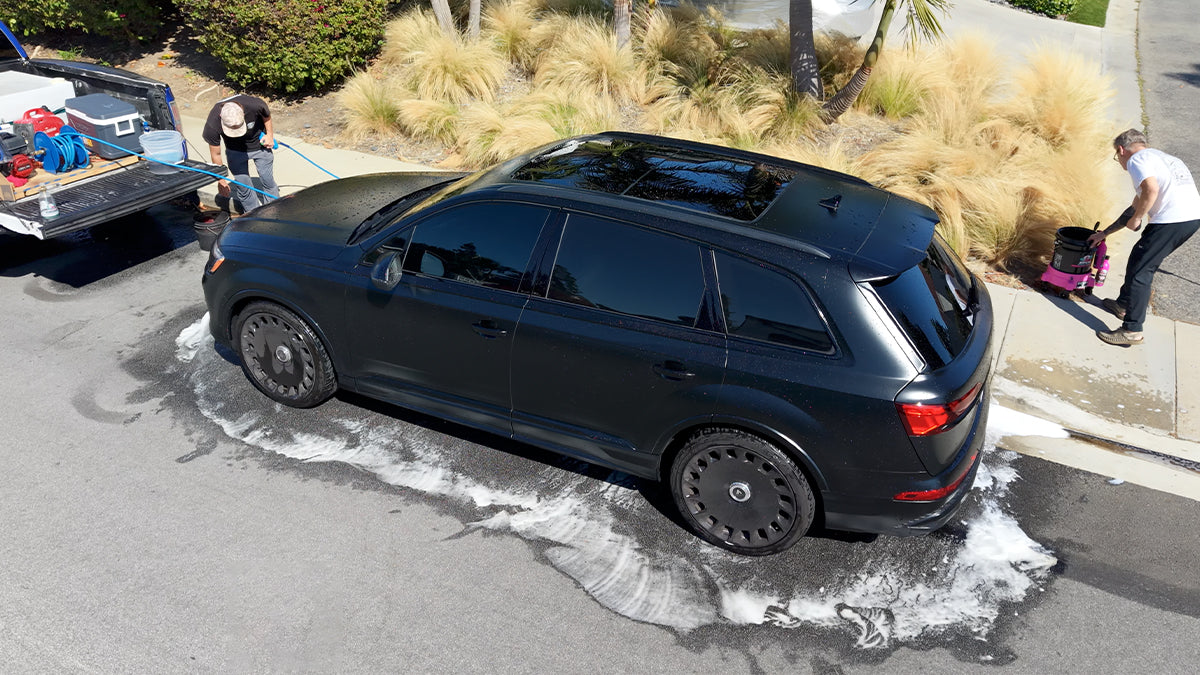
Foam the car with Ceramic Mega Foaming Soap through a foam cannon, or mix it in your bucket. Let the foam dwell so it loosens dirt before you touch the paint, but don't let it dry. Then wash top to bottom with a mitt, rinsing the mitt in the grit guard bucket before every reload.
Do the wheels last, with their own brush and mitt. Wheel grime never goes near the body.
Inside, mist Ceramic Interior Cleaner onto a Starting Line towel and wipe the dash, door panels, console, leather, vinyl and screens. Misting the towel instead of the surface keeps overspray off the glass.
2. Dry
Water spots are made in the drying, not in the wash. Lay a Big Bird flat on the roof, hood or tailgate and pull it across in one pass. Blot rather than drag.
Switch to a Lil' Bird for mirrors, glass, door jambs and the tight spots. Get every drip out of the seams before you move on, because trapped water will run onto a finished panel later.
3. Restore
Now the surfaces that fade first: black plastic trim, rubber, tires and wheels. Spray Ceramic Simple Finish, wipe it in with a Finish Line towel, and walk away. On tires and wheels you can do the tire and rim together. If your rims are gloss, give them a quick buff after.
Simple Finish also covers matte or satin paint, PPF, vinyl wrap and bed liner. Keep it off gloss paint, glass and chrome. Those belong to the next step.
For badly sun-bleached trim, our guide on how to restore faded plastic goes deeper.

Faded plastic, trim, rubber and tires back to like-new, then protected. Just as good on matte, satin, PPF and vinyl wrap.
4. Protect
Work one panel at a time on cool, dry paint. Spray Ceramic Final Touch Detail Spray, wipe it smooth into a consistent layer, and let it dry for 5 minutes. It goes on paint, glass and chrome.
A full coat takes about an hour from wash to finish and lasts 3 to 6 months. In between, the same bottle works as your quick detail spray.
5. Finish
Buff each panel with a dry Victory Lap. It lifts the residue while the coating stays on the paint. What you're looking for: clear, streak-free, slick to the touch, and water that beads and rolls off.
Never buff Final Touch with the Birds. A 1600 GSM drying towel drinks the coating right off the panel. After a full coat, keep the car dry for about 24 hours so it cures.

The most ceramic of the four. Spray it on, wipe it smooth into a consistent layer, let it dry for 5 minutes, then buff. What is left is a streak-free, water-spot-free, ultra hydrophobic ceramic layer with UV protection.
How Does Ceramic Protection Work Without a Pro Coating?
All four Bahama bottles are built on graphene and SiO₂. Graphene is a single-atom carbon lattice, 200x stronger than steel. SiO₂ is liquid glass, with a 110° water contact angle. Together they make the surface hydrophobic, so water beads and carries dirt away instead of drying onto the paint.
Every bottle also carries SunShield UV. In Sun Belt testing, treated surfaces were still beading and UV shielded after 14 days, and SunShield blocks 98% of UV at the clear coat across the 290-400nm range.
The protection layers and builds with every application. That is why a regular wash with the right soap keeps the car protected instead of stripping it. If you want the full chemistry, read SiO2 vs. Graphene.
What Are the Most Common Beginner Detailing Mistakes?
Using dish soap. It cuts grease, which means it also cuts protection. Use a pH-neutral car soap.
Washing in direct sun. Heat dries soap and water on the panel before you can rinse, which leaves spots and residue. Wash in shade, early or late in the day.
One towel for everything. This is how swirls and smears happen. One towel per job. Zero cross-contamination.
Wiping dry dust. Dust is abrasive. Rinse it or mist it first, never wipe it dry.
Protecting a wet or dirty surface. Final Touch needs a clean, dry panel to lay down an even layer. Dry completely first.
Putting the wrong product on the wrong surface. Simple Finish restores plastic, trim, rubber, tires and wheels. Final Touch protects paint, glass and chrome. Keep them in their lanes and both work better.
Stopping after the wash. A wash cleans. The Restore and Protect steps are what keep the car looking that way.
How Often Should a Beginner Detail?
Wash whenever the car is dirty. Each wash with Mega Foaming Soap tops up the protective layer instead of removing it.
Do a full Final Touch coat when water stops beading the way it did, and expect a full coat to last 3 to 6 months. Between full coats, a quick mist and buff after a wash keeps it fresh. Restore trim and tires whenever they start looking dry or gray.
For a calendar you can actually stick to, see How Often Should You Detail Your Car? When you're ready for a full session, How to Detail Your Car at Home walks through it panel by panel.
Frequently Asked Questions
What is the correct order to detail a car?
Wash, Dry, Restore, Protect, Finish. Clean the inside while the exterior foam dwells or after the wash, and always do wheels with their own tools.
Do I need a machine polisher as a beginner?
No. A polisher is for correcting existing defects like heavy swirls. A good wash, proper drying and a protection layer handle everything a beginner needs.
Can I use the same towel for drying and buffing?
No. Drying towels are built to absorb, so they pull a fresh Final Touch layer off the paint. Dry with a Big Bird or Lil' Bird, buff with a dry Victory Lap.
Is a spray ceramic as good as a professional coating?
A pro ceramic coating is $1k+ and the shop keeps your car for days. Final Touch replaces the wax and the pro coating with a spray you apply yourself, and a full coat lasts 3 to 6 months.
Start Simple
Detailing is not complicated once you have the order down and a towel for every job. Wash. Restore. Protect. The Full System Set puts all four bottles in one box for $135, and it only takes a couple hours.

Wash, interior, restore and protect: all four Bahama ceramic bottles in one set. A pro ceramic coating is $1k+. This system only takes a couple hours.

Drying, interior, wheels and trim, and buffing the Final Touch coating, each with its own towel. No wheel grime on the dash, no drying towel soaking up your coating.