

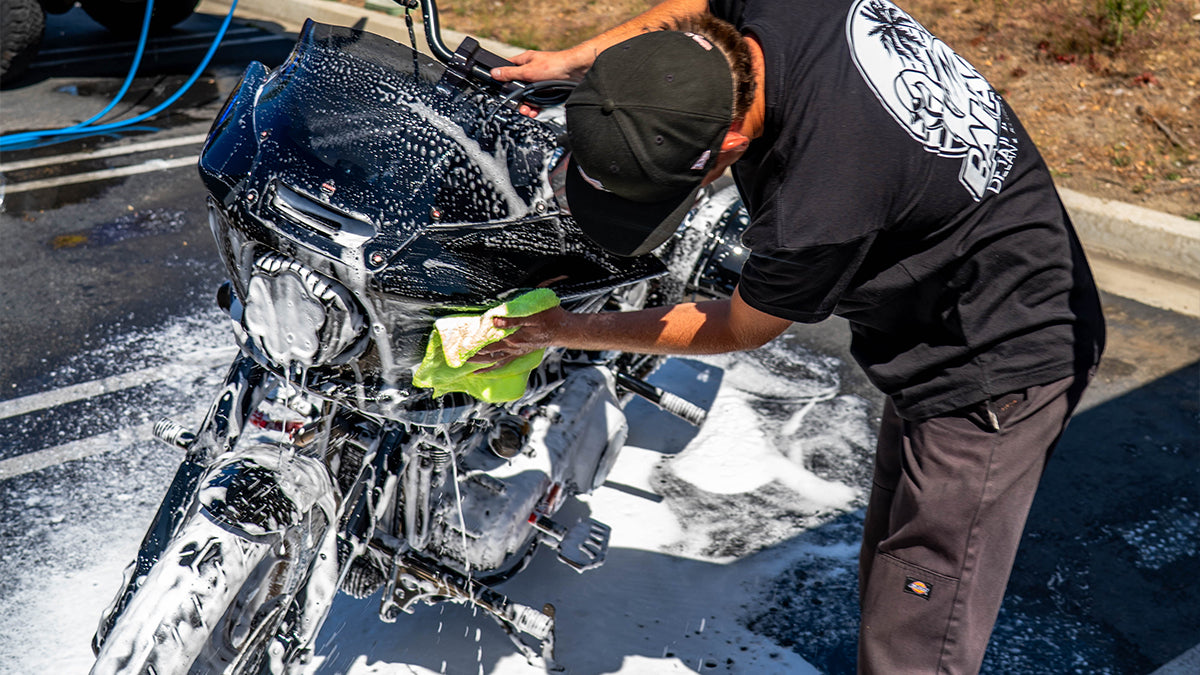
Chrome is the defining detail on classic motorcycles. A Harley-Davidson with dull, pitted chrome doesn't just look neglected, it looks wrong. The chrome on a well-maintained classic motorcycle should look like liquid metal: deep, reflective, and uniform across every pipe, cover, and trim piece. Getting there and keeping it there requires understanding what chrome actually is, what damages it, and what restores it correctly.
Motorcycle Chrome: What You're Working With
Motorcycle chrome uses the same triple-plate process as classic cars: copper, nickel, then chromium. The chromium surface is extremely hard and highly reflective when new. The challenges come from:
- Heat cycling on exhaust: Exhaust pipes and headers cycle between ambient and 400–600°C operating temperatures. This thermal cycling causes the chrome plating to stress over time and can cause the characteristic blueing (heat oxidation) that appears first at collector junctions and turns.
- Road chemicals: Brake fluid, chain lubricant, and road salt all attack chrome. Brake fluid in particular is highly corrosive to chrome if left on the surface.
- Moisture and oxygen: Pinholes in chrome plating (especially on older bikes) allow moisture to reach the nickel undercoat, initiating the rust bubbling that indicates severe plating failure.

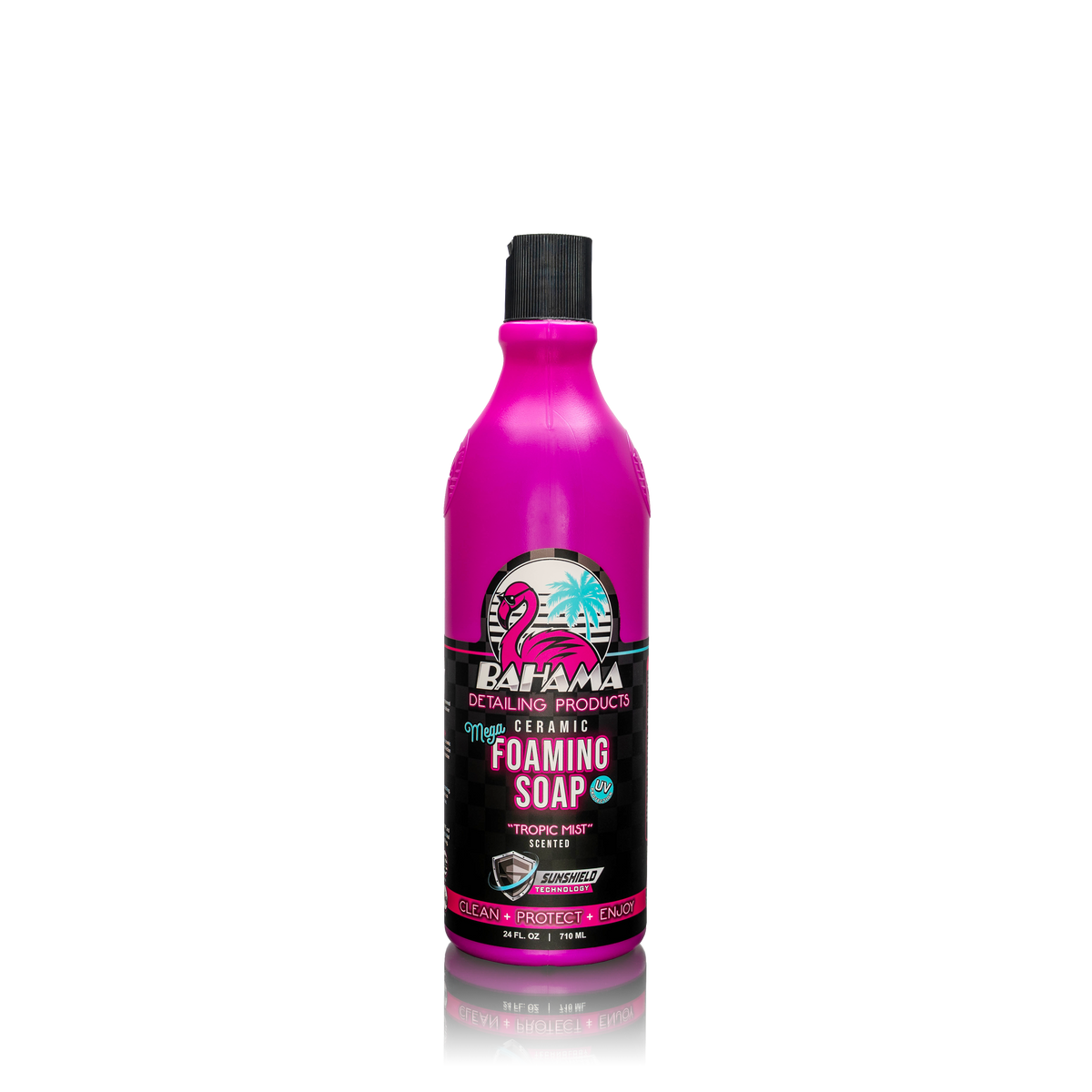
Mega Ceramic Foaming Soap
Deep-cleaning ceramic foam that lifts road grime and chain oil without harming paint, chrome, or clear-coat finishes.
Routine Chrome Maintenance
For chrome that's in good condition, maintenance is about preventing the damage that requires restoration later. After every ride:
- Wipe chrome exhaust with a clean dry microfiber while still slightly warm (not hot). This removes road chemicals before they cool and bond.
- Check for any brake fluid or chain lubricant spatter on chrome surfaces. Remove immediately with a clean microfiber.
At every detail session:
- Clean chrome surfaces with Ceramic Mega Foaming Soap as part of the full wash
- Polish with Ceramic Simple Finish using a foam applicator in straight strokes
- Seal with Ceramic Simple Finish after polishing
Restoring Heat-Discolored Chrome
The blue-golden heat discoloration on exhaust chrome is iron oxide forming in the chrome surface layer from the extreme temperatures. Ceramic Simple Finish contains micro-abrasives that remove this surface oxide layer, restoring the reflective chrome beneath.
For heavy blueing: apply the polish with a firm foam pad and work in multiple straight-stroke passes, removing residue and reapplying until the discoloration is gone. Some extremely heavy heat discoloration requires steel wool (0000-grade only) before polishing, but this should be a last resort as it does introduce micro-scratches that require subsequent polishing to remove.

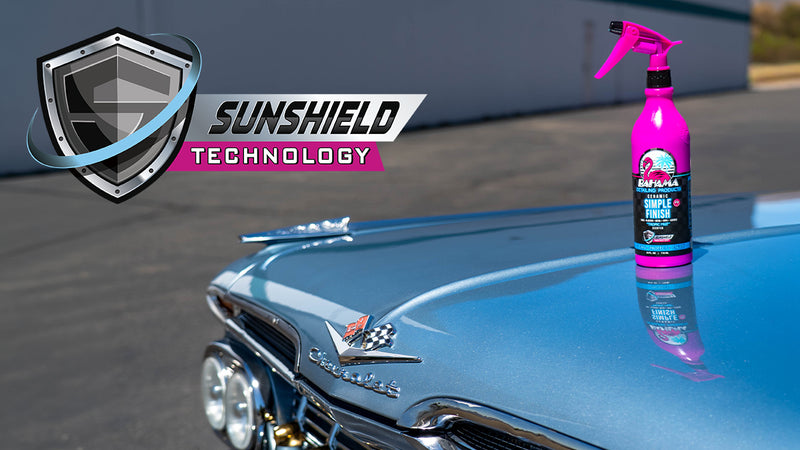
Ceramic Simple Finish
Finish your wash with a ceramic protectant that fills micro-scratches and leaves a show-quality shine on every painted surface.
Addressing Rust Bubbles
Rust bubbles beneath chrome plating indicate the nickel layer has been compromised. Surface bubbles that haven't broken through can be slowed by sealing the surface aggressively with graphene detail spray to reduce oxygen and moisture access. Bubbles that have broken through are beyond cosmetic maintenance and require re-plating.
Frequently Asked Questions
How often should I polish motorcycle chrome?
Polish chrome when it shows oxidation, water spots, or reduced reflectivity, typically every 2–4 weeks for regularly ridden bikes. Over-polishing (more than necessary) removes material from the thin chromium surface layer, so polish for improvement, not on a fixed schedule regardless of condition.
Can I use chrome polish on aluminum engine covers?
Yes. Ceramic Simple Finish works on both chrome and bare aluminum. Use lighter pressure on aluminum to avoid micro-scratching polished surfaces.
Does sealing chrome with graphene detail spray actually work?
Yes. The SiO2 nanoparticles in Ceramic Simple Finish fill the micro-pores and pinholes in chrome surfaces, significantly reducing the oxygen and moisture access that causes rust development at those points. Sealed chrome stays brighter longer and is more resistant to the rust bubble development that destroys vintage chrome.
Chrome That Defines the Machine
On a classic motorcycle, the chrome is the jewelry. It deserves the care that keeps it looking like the day it was plated. Ceramic Simple Finish and Ceramic Simple Finish give you exactly that, the right products and the right approach for chrome that commands attention.